
Young people learn best when they are given opportunities to explore, experiment, and overcome challenges in real-world situations. While classrooms provide essential knowledge, outdoor experiences allow youth to apply what they learn through hands-on activities and teamwork. Outdoor programs for youth groups create environments where participants can develop problem-solving skills by facing challenges that require creativity, communication, and decision-making. Whether navigating trails, completing group tasks, or participating in adventure activities, young people learn how to analyze situations, find solutions, and work effectively with others.
Learning Through Real-World Challenges
The outdoor environment in itself offers an ideal scenario for the young people to employ logical thinking. The outdoors is not a prearranged classroom where every answer is black and white but a situation where the person has to think about what is happening and act accordingly.
For example, the lead-up to an ice-breaker could be for the group to all have to get across an obstacle course as a team or to be able to work out a problem using only certain items…they will then have to learn how to all work with each other the way they communicate and compromise until they arrive at the best possible answer.
Encountering such challenges in outdoor settings when young can teach children resilience and perseverance to obstacles rather than become discouraged so they can better cope with coursework, personal challenges, and future job requirements.
Building Critical Thinking and Decision-Making Skills
’Critical thinking’ is perhaps the most useful skill that outdoor activities can teach young people. To succeed at an outdoor challenge, the group must trip around and consider their options for action. Navigation activities, discovery activities and group problem-solving activities are also looking for young people to collect information but consider the consequences of their actions. For example, on an outdoor navigation activity you will need to keep track of where you are going, noting the landmarks, and have contingency plans ready to go should any difficulties arise.
Gives them the experiment to know that good decisions tend to produce the best results. Gives them the experiance to fore cast, to balanced the chances, to discover the best way (strategy) to the circumstance (Decission). The decision-making skills they learn will come in handy in other parts of their life such as at school, in relationship, and at home.
Encouraging Teamwork and Communication
Many challenges outdoors can be used with teamwork when it suits the exercise. It is also a good experience for youth to be able to develop their communication skills outdoors. It is more frequent to encounter problem solving when we are working with a partner that work alone.
In group work, young people learn how to talk about their ideas, to respect the ideas of others and to argue for them. They learn at an early stage that the most talented individuals working together can often come up with the most sensible solution.
For example, when participating in a team to make a shelter or try to resolve a team challenge, team members need to set roles, communicate effectively and team up. If one team member gets very dominant and communicates with or listens to other team members, the team falls apart. Young people can learn from these pieces of experiences.
Developing Confidence Through Overcoming Obstacles
Confidence, another issue that affects problem solving and learning is lack of confidence. Young people may not always want to challenge themselves by ‘having a go’ as they are afraid they will get it wrong. Out door challenges gives young people the opportunity to practice and learn by trial and error in a safe environment.
When young people demonstrate that they can meet the challenge of a hard activity, they begin to feel efficacious. They begin to learn that problems can be the solution for future problem solving is permitted and that even setbacks may be remedied if one puts in work, intelligence, and perseverance.
The possible lesson of resilience is also supported by outdoor pursuits. Outdoor pursuits are very unlikely to be successful in all attemptsand the participant may have to revaluate and adjust certain aspects in order to be successful at the end. Being resilient to such setbacks will teach a lot about patience and persistence.
Improving Creativity and Adaptability
Can you have solved a problem? No, you haven‘t just reached a single answer. Creativity, improvisation and changing your approach are equally important. Outdoor activities help young people to come up with new ideas and be flexible.
Nothing in nature can be perfect in all aspects. The participants might have to try different concepts for trial-and-error, be flexible to think utilizing existing resources, or modify ideas to fit changing environment. These tasks contribute to autonomous thinking of the participants.
Flexibility is the most important quality for me and the society in the century. Young people who could be flexible and adapt easily as with other styles will find themselves become easy learning in the school, in the working life…
Strengthening Leadership Skills Through Outdoor Experiences
There are some challgenes Outdoor activities offer chances for leadership. In any activity, they will have chances to lead other team members, assist planning and help friends confront difficulties etc.
Leadership, in the open, can be something much more than simply instructing other people. It is about supporting and listening, overcoming obstacles and making it possible for others to accomplish what they set out to achieve. This can give young people examples of different styles of leadership and help them to discover their own personal strengths. Serves as a Youth Empowerment Program willing to take the lead and accept the responsibility. This skill could lead to improve their self-esteem and success in the future.
Create Lasting Growth With Outdoor Adventure Camps
Anyone who is part of a family, a school, or a youth organization is looking for ways to have valuable experiences that help develop a person. It is evident that outdoor adventure camps are an effective medium to unite entertainment, education and skill development. Properly designed programs can dramatically improve campers’ problem solving skills and at the same time increase cooperation, self-esteem and reliance.
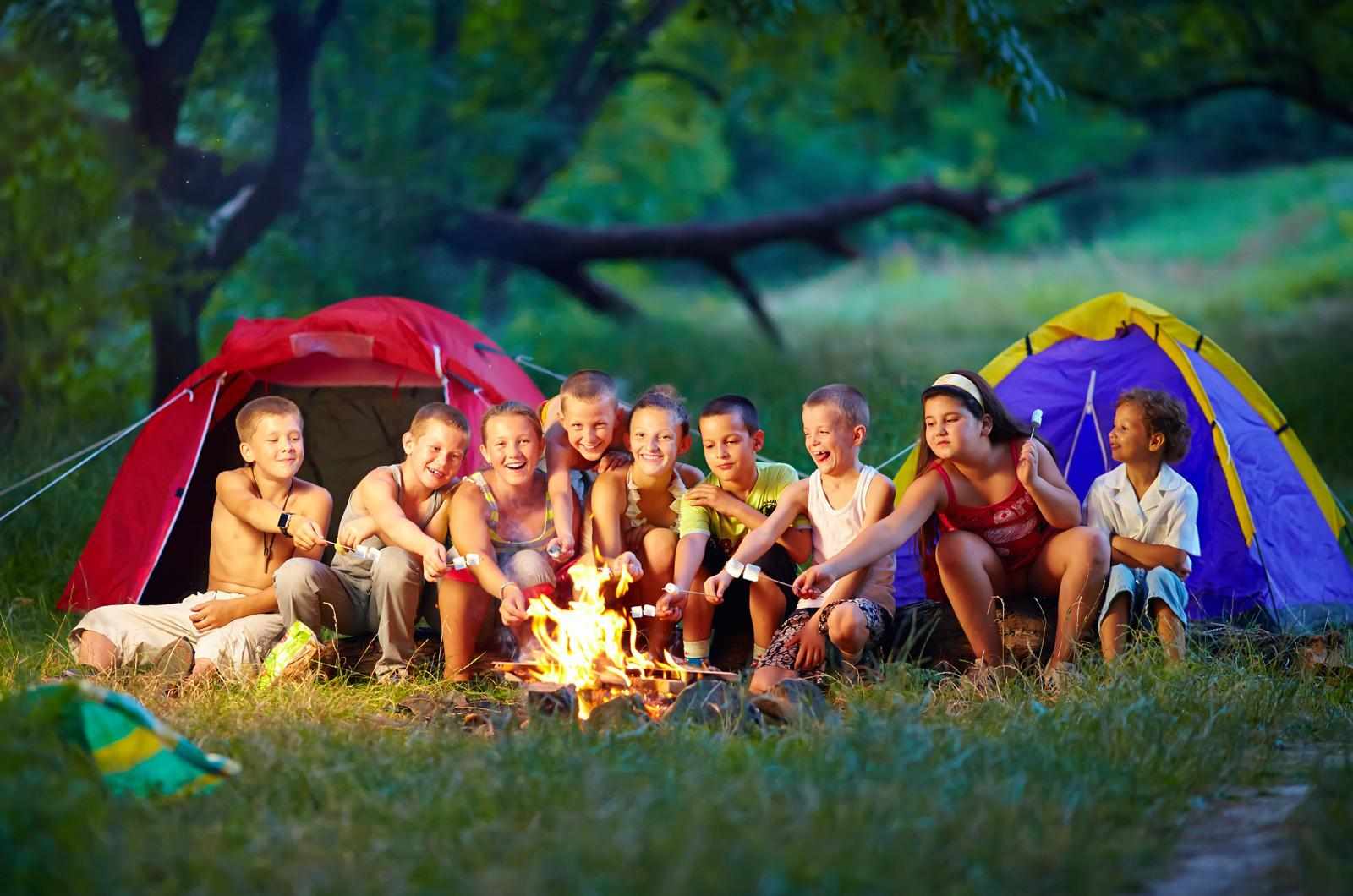
Along with fun, adventure and recreation, these camps give young people opportunities to experiment, to socialize, and to experience themselves in a good outdoor situation. If parents and organizations choose educational adventure programs, children will gain long-term skills.

Preparing Youth for Future Challenges
Young people acquire the problem-solving skills from use in the outdoors and challenges which can be simulated and this prepares them for coping with ever changing everyday and life challenges.
Children are able to see problems as learning challenges and not as something to be avoided through outdoor learning. The more children learn, the less they will be inclined to try to avoid problems. Also, children will be more inclined to explore problems and take positive actions; enabling academic, social and personal success.
As a society values its leisure meaning equally both flexibility and independence of exploration, outdoor activities are good medium for young people to acquire essential life skills. As adolescents get outside of normal places of learning and fields, they are able to learn new skills and enjoy gaining abilities confidently.
Conclusion
Through engaging in such outdoor activities, young people can learn problem solving skills that will benefit them throughout life and this is exactly what outdoor pursuits can facilitate. As young people practice cooperation, creativity, decision-making, expressing oneself, solving problems, perseverance and other skills, they will have acquired much needed valuable attributes that will surely follow them for the years to come.
FAQs
1. How do outdoor activities improve problem-solving skills in youth?
Activities that take place outdoors motivate young people to observe, evaluate and come up with solutions. The outdoor context enhances their decision-making and teamworking skills as well as their innovative thinking.
2. What types of outdoor challenges help develop teamwork skills?
Hiking, obstacle courses, navigation, Team-building/ group problem solving and adventure activities provide opportunities to practice communication, group cooperation and leadership.
3. Why are outdoor programs beneficial for youth development?
Outdoor programs foster development of personal qualities. Young people develop confidence, perseverance, autonomy and life skills through exciting, practical learning opportunities.


















Write a comment ...